
Follow Me On Social Media!
Homemade Pizza Dough: Easy Steps for Irresistibly Chewy Crust

Introduction to Homemade Pizza Dough
Imagine stepping into your kitchen, the aroma of freshly baked homemade pizza dough wafting through the air, igniting memories of cozy gatherings and good times. There’s something so special about whipping up your own dough from scratch. It’s not just about making pizza—it’s about creating a dish that embodies warmth, comfort, and a generous sprinkle of love. The joy of rolling out a ball of soft, elastic dough is an experience that connects you to centuries of culinary tradition, transforming basic ingredients into a canvas for your favorite toppings.
What makes homemade pizza dough so irresistible? Let’s dive deeper!
The Magic of Homemade Pizza Dough
-
Freshness: When you make your own dough, you control the quality and freshness of ingredients, ensuring that each bite bursts with flavor. Store-bought options can’t compete with the delight of using flour, yeast, water, and salt that you’ve crafted by hand.
-
Customizable: The versatility of homemade pizza dough is unmatched. Want a thicker crust? Add more flour. Prefer a chewy, thin crust? Roll it out thinner and enjoy the crispy finish. You can also play around with the seasonings; adding herbs like oregano or basil to the dough can elevate the taste.
-
Healthy Choices: By creating your own dough, you can make healthier choices aligned with your dietary needs. Using whole wheat flour can boost nutrition, and you get to decide how much salt and oil to include.
-
Fun and Engaging: Making homemade pizza dough is not just cooking; it’s a fun activity! It’s a great way to bond with friends or family, whether you’re battling it out for the best topping combination or just enjoying a laugh while getting your hands messy.
Creating your own homemade pizza dough invites creativity into your kitchen. Plus, it’s much easier than you might think! Whether you’re a seasoned cook or a kitchen novice, the satisfaction of producing a crust that’s uniquely yours is a rewarding experience you won’t forget. Now, let’s roll up our sleeves and get into the ingredients that will bring your pizza dreams to life!
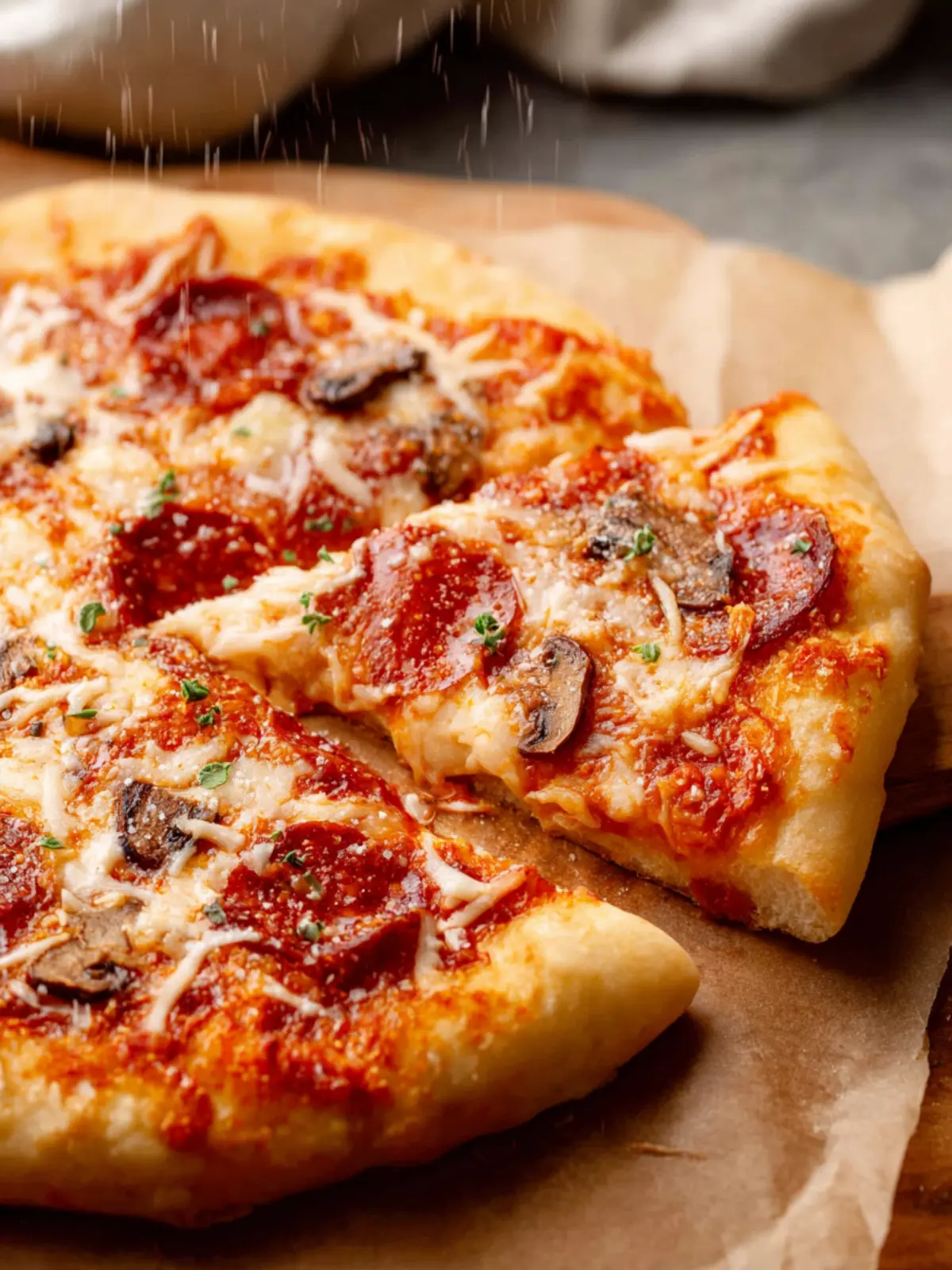
Key Ingredients for Homemade Pizza Dough
Crafting the perfect homemade pizza dough is an adventure in flavor and texture. Every ingredient plays an essential role in bringing your pizza vision to life. Let’s explore these key components that elevate your dough from basic to extraordinary.
Flour: The foundation of any great pizza dough. I recommend using high-protein bread flour for that delightful chewiness. If you’re gluten-free, a 1:1 gluten-free flour blend can also work well.
Yeast: This magical ingredient helps your dough rise and develops a lovely, airy texture. Whether you choose active dry yeast or instant yeast, just remember to activate it in warm water first if you’re using active dry.
Water: Warm water is perfect for activating the yeast and creating that doughy consistency. Too hot, and you’ll kill the yeast; too cold, and it won’t work effectively.
Salt: Essential for flavor, salt enhances the taste of your homemade pizza dough. It also controls the fermentation process, giving you a better texture.
Olive Oil: A drizzle of olive oil in your dough not only adds flavor but also makes it easier to work with. Plus, it contributes to a nicely crisp crust.
With these key ingredients, you’re well on your way to mastering your very own homemade pizza dough!
Why You’ll Love This Recipe
Crafting your own homemade pizza dough is not just about filling your belly; it’s a culinary adventure that invites creativity into your kitchen. Imagine the satisfaction of biting into a crust that you’ve personally shaped and baked to perfection! This recipe provides a delightful balance of crispness and chewiness, ensuring every pizza night becomes a cherished event.
When you make your own homemade pizza dough, you have complete control over the ingredients, allowing you to cater to dietary preferences and focus on quality. A flour blend of all-purpose or bread flour gives the dough the right texture, while a touch of sugar balances flavors and facilitates browning. The inclusion of olive oil lends a nuanced richness that elevates your pizza experience, making even the simplest toppings taste gourmet.
Think about the fun you can have experimenting with flavors! Why not spackle in some herbs or a hint of garlic powder to infuse depth into your dough? The flexibility of this recipe encourages you to let your creativity shine, whether you’re preparing a classic Margherita or an adventurous barbecue chicken pizza. Your cooking journey awaits, and with this homemade pizza dough, you’re not just making pizza—you’re creating memories.
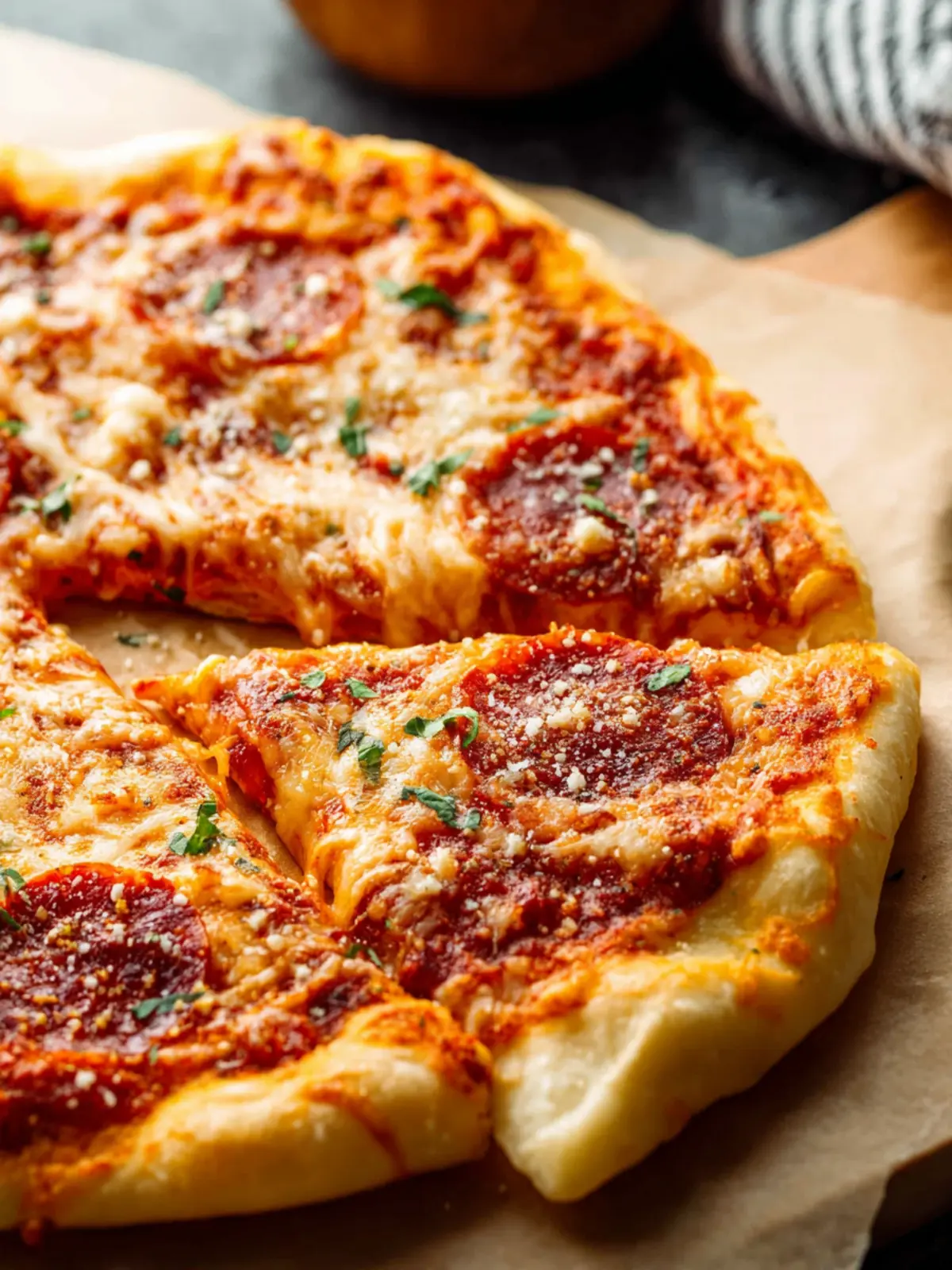
Cooking Tips and Notes for Homemade Pizza Dough
Creating your own homemade pizza dough is not only an art but also a delightful culinary adventure. As someone who has spent countless evenings experimenting with various crusts, I promise that with a few key tips, you can elevate your pizza game to the next level.
Perfecting the Texture
-
Flour Matters: Opt for all-purpose flour for a versatile dough. If you’re feeling adventurous, try bread flour for an even chewier crust. It has more protein, which contributes to that delightful stretch.
-
Kneading Technique: Knead your dough until it’s smooth and elastic. This usually takes about 8-10 minutes by hand or 5-7 minutes in a stand mixer. Overworking can make it tough, so stop when it feels just right.
Proofing the Dough
-
Time Factor: The longer you let your dough rise, the more flavor it develops. If you have time, allow it to cold-proof in the fridge for up to 24 hours. This slow fermentation creates depth and enhances the taste.
-
Warm Environment: Make sure to place your dough in a warm area to rise. A turned-off oven with the light on or a sunlit countertop works wonders!
Baking Tips
-
Preheat Your Oven: Get that oven screaming hot—about 475°F (245°C) is ideal. A pizza stone can take your crust from good to great by giving it that authentic pizzeria quality.
-
Don’t Skimp on Toppings: A well-balanced pizza is all about moderation. Too many toppings can make the crust soggy. Keep it simple to highlight your homemade pizza dough’s flavor and structure.
Armed with these tips, you’re well on your way to crafting pizzas that would make any Italian chef proud! Enjoy the process, and don’t forget to experiment—you might create your new favorite recipe along the way.
Time Breakdown for Homemade Pizza Dough
Creating the perfect homemade pizza dough is not just about the ingredients—it’s also about understanding the timeline that brings everything together beautifully. Here’s a friendly breakdown of how to manage your time effectively.
Preparation time
The initial step is a quick mix of ingredients, taking about 10-15 minutes. You’ll blend flour, water, yeast, and a pinch of salt until they come together into a manageable dough.
Rising time
Once you’ve kneaded your dough, it’s time to let it rise! That typically takes around 1 to 2 hours, depending on your kitchen’s warmth. This is where the magic happens—your dough will double in size, creating that airy texture we love.
Cooking time
After shaping your pizza, it’s off to the oven! Cooking time will depend on your oven and the thickness of your dough but expect anywhere from 10 to 15 minutes for that perfect crispy crust.
By understanding this time breakdown, you’ll master your homemade pizza dough and impress your friends and family!
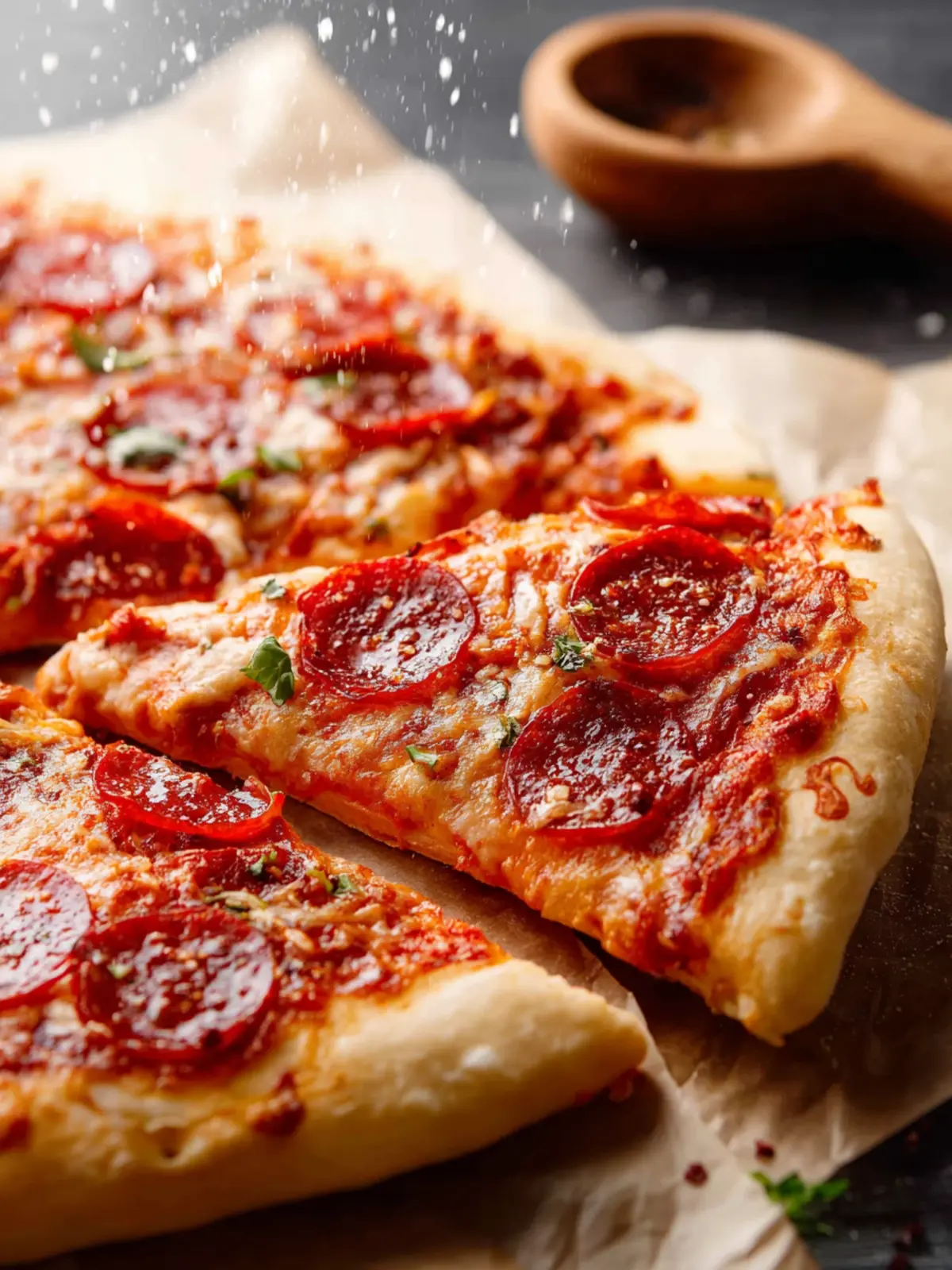
Nutritional Facts for Homemade Pizza Dough
When whipping up a batch of homemade pizza dough, you might be wondering about its nutritional benefits. This delightful dough isn’t just a blank canvas for your toppings; it also has its own nutritional profile that can complement your meal. Let’s break down the essentials.
Calories
A typical serving of homemade pizza dough (about 1/8 of a 12-inch pizza) contains approximately 150 calories. This makes it a reasonable choice for enjoying your favorite toppings without going overboard.
Carbohydrates
In each serving, you’ll find around 30 grams of carbohydrates, primarily from all-purpose flour. Carbs provide your body with the energy needed for a busy day. Just think of the joy of sharing a delicious pizza with friends while still keeping your diet in check!
Protein
Homemade pizza dough also offers a modest protein content, roughly 5 grams per serving. While it’s not a significant protein source on its own, it can be easily complemented with protein-rich toppings like chicken, cheese, or beans, rounding out your meal perfectly.
With this nutritional outlook, you can feel good about crafting your own pizza dough!
FAQs about Homemade Pizza Dough
When crafting the perfect homemade pizza dough, you may find yourself and your kitchen surrounded by flour-covered surfaces and delicious scents wafting through the air. It’s an experience that not only satisfies your taste buds but also ignites your creativity. Here are some common questions that can help guide your pizza-making adventure.
Can I make this dough in advance?
Absolutely! Homemade pizza dough can be made a day or two in advance. Simply prepare the dough as instructed, allow it to rise, and then store it in an airtight container in the refrigerator. When you’re ready to use it, take it out and let it sit at room temperature for about 30 minutes to an hour. This will make it easier to shape and stretch.
What are my options for toppings?
The beauty of pizza lies in its versatility! You can top your homemade pizza dough with endless combinations. Here are some crowd-pleasers:
- Classic Margherita: Fresh mozzarella, tomatoes, basil, and a drizzle of olive oil.
- Veggie Delight: Bell peppers, onions, mushrooms, olives, and spinach.
- Meat Lovers: Pepperoni, sausage, bacon, and ham.
- Gourmet: Fig, prosciutto, arugula, and goat cheese.
Feel free to get creative—your favorite ingredients are what will make your pizza uniquely yours!
How can I adjust the recipe for different dietary needs?
No problem! The beauty of making homemade pizza dough is its adaptability:
- Gluten-free: Use a gluten-free flour blend that’s suitable for baking.
- Low-carb/Keto: Consider almond flour or cauliflower crust alternatives.
- Vegan: Substitute honey with maple syrup and use plant-based yogurt if needed.
Experimenting with these alternatives can lead you to delicious new favorites tailored specifically to your dietary needs!
Conclusion on Homemade Pizza Dough
Crafting homemade pizza dough can transform a simple meal into a delightful, culinary experience. With just a handful of ingredients—like flour, yeast, and a pinch of salt—you can create a dough that’s both flavorful and satisfying. Remember, the key to a perfect pizza crust lies in patience; allowing the dough to rise and develop flavors makes all the difference. Don’t hesitate to experiment with different toppings, sauces, and baking techniques once you master your dough! Whether you prefer a classic Margherita or a creative twist, your homemade pizza night will surely impress friends and family alike. Enjoy your delicious journey!
Print
Homemade Pizza Dough
- Total Time: 45 minutes
- Yield: 1 pizza crust 1x
Description
This homemade pizza dough is easy to make and results in a delicious, chewy crust that can be topped with your favorite toppings.
Ingredients
Scale
- 2–2⅓ cups all-purpose flour (bread flour also works, or use up to ½ cup of whole wheat flour, 240-280g)
- 2¼ tsp instant yeast* (7 grams (1 envelope))
- 1½ tsp granulated sugar (or use honey, 6 grams)
- ¾ tsp kosher salt
- 2 tbsp olive oil (or any neutral oil, 25 grams)
- ¾ cup water (170 grams, warm (105-110°F))
- cornmeal (for dusting)
Instructions
- In the bowl of a stand mixer fitted with the dough hook, add the flour, yeast, sugar, and salt. Mix on medium-low speed until combined.
- Add in the olive oil and water. Mix on medium speed until the dough forms a ball around the hook, about 5-6 minutes.
- Brush a large bowl with olive oil. Transfer the dough to the bowl and cover loosely with plastic. Set aside in a warm place and let rise for 30 minutes, or until doubled in size.
- Once risen, punch the dough down and transfer to a floured surface. Use your hands or rolling pin to form the dough into a 12-inch circle.
- Dust a baking sheet or pizza pan with cornmeal and transfer the dough to the pan. Add desired toppings and bake at 425°F until the crust is golden and the cheese is melted, about 15 minutes.
Notes
- For best results, let the dough rise in a warm area free from drafts.
- You can experiment with different types of flour for varied textures.
- Remember to preheat your oven before baking the pizza.
- Prep Time: 15 minutes
- Cook Time: 15 minutes
- Category: Main Dish
- Method: Baking
- Cuisine: Italian
Nutrition
- Serving Size: 1 slice